Comprehensive Driving Lessons: Register for Our Instructor-Led Driving Program Today!
Structured driving lessons provide a structured approach to developing vehicle control skills. Signing up for a professionally guided course can considerably develop a student's abilities and self-assurance. The curriculum is carefully designed to cover both basic and advanced techniques, accommodating different skill levels. Understanding what to expect in these classes can be incredibly valuable. There are several key components that foster productive learning and exam preparation.
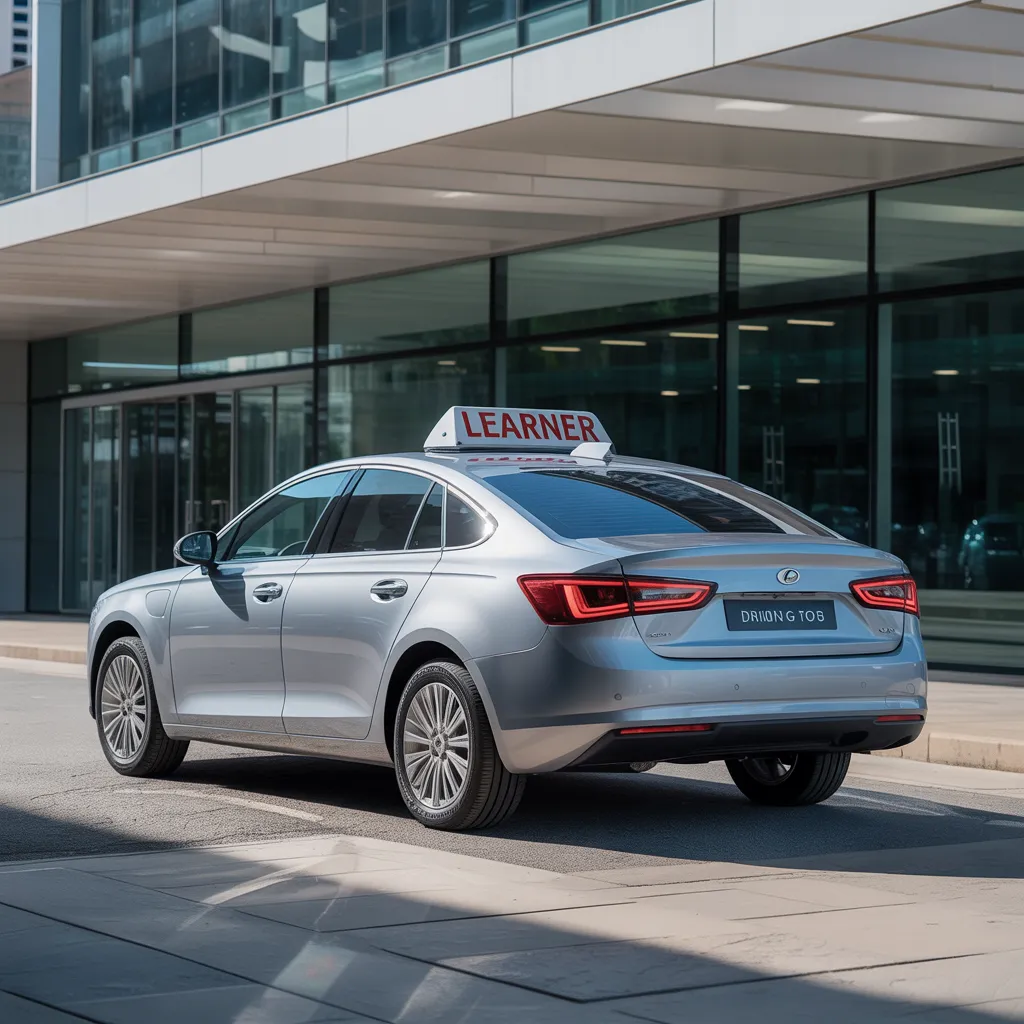
What to Expect in Your First Driving Class
As soon as a student enters their introductory driving class, they may feel a mix of anticipation and nervousness. The classroom environment, often filled with fellow students, establishes the backdrop for a significant experience. Teachers typically start with introductions, explaining the curriculum layout and safety procedures. Students can look forward to receiving educational materials, including booklets and printed materials, which will function as helpful resources throughout their course of study.
The primary emphasis is primarily on understanding vehicle controls, essential road signs, and essential traffic rules. Teachers often highlight the importance of maintaining a calm demeanor while driving. Learners are invited to raise questions, building an encouraging educational setting. Following the classroom instruction, many classes include real-world practice, where participants gain experience with the automobile in a supervised environment. This integration of theoretical and practical training prepares students for the journey ahead, fostering self-confidence as they begin their journey toward becoming competent and safety-conscious drivers.
Driving Program: Essentials to Advanced
A thorough driving curriculum encompasses a progression from fundamental competencies to sophisticated methods, so that learners acquire a robust foundation before approaching more challenging traffic conditions. At first, participants work on core car handling, including vehicle steering, deceleration, and speed control. Students gain knowledge of important traffic regulations, road signs, and safe driving practices, offering a comprehensive grasp of the highway code.
Once students show competence in these fundamental skills, the curriculum advances to more complex abilities. This includes handling diverse driving environments, handling challenging weather situations, and developing strong defensive driving skills. In addition, drivers gain experience with motorway navigation and challenging junctions, improving their capacity to think swiftly when faced with difficult conditions.
Within the program, teachers highlight the importance of awareness of surroundings and accountable driving conduct. This structured approach enables students not only to pass their driving tests but also to become confident and competent drivers in diverse environments.
Developing Confidence as a New Driver
New drivers often face challenges in building their confidence behind the wheel. The initial experience of driving can be overwhelming, with numerous tasks to manage and a constant need for focus. In order to ease nervousness, novice drivers may find value in a measured, step-by-step introduction to a range of driving conditions. Beginning in quieter, less congested areas enables them to build fundamental abilities without the demands of more challenging settings.
Consistent practice is crucial; the more time spent driving, the more familiar and comfortable they become with their vehicle and surroundings. Additionally, enrolling in expert-led driving classes offers structured learning and professional guidance, fostering a sense of security. Encouragement from qualified instructors and encouraging fellow learners can further boost a beginner driver's confidence. As abilities develop with time, novice drivers will discover that their assurance increases, turning driving from a demanding activity into a more rewarding and freeing endeavor.
Preparing for Your Driving Test
What is the best way for a new driver to prepare for their driving test? Being well-prepared is key to passing. As a starting point, becoming familiar with the vehicle is highly recommended. It is important for new drivers to be confident in using all controls, including lights, wipers, and signals. Next, practicing maneuvers such as parallel parking, three-point turns, and lane changes will enhance their skill set.
Additionally, reviewing the regional driving laws and guidelines can supply helpful knowledge into what the examiner will expect. Scheduling a mock test with a qualified driving instructor can simulate the actual test environment, thereby lowering test anxiety.
Lastly, verifying all necessary documents are in order, such as the learner's permit and proof of identity, is crucial. By implementing these measures, new drivers can face their driving test with assurance, boosting their likelihood of clearing the test on their first go.
Typical Questions About Driving Lessons
What should prospective drivers know before starting lessons? Many individuals have common questions regarding the driving lesson process. To begin with, many students inquire about the age requirements; the majority of regions require that students be a minimum of 16 years old to acquire a learner's permit. Another frequent inquiry concerns the duration of lessons; generally, each lesson runs approximately one to two hours, based on the student's abilities and requirements.
Potential driving students often have questions about the pricing for driver training sessions. Rates may fluctuate considerably based on where you live and the experience of your instructor. Additionally, many wonder if they need to bring their own vehicle; nearly all driving schools offer cars equipped with dual controls for added safety.
Additionally, learners commonly question the curriculum. Comprehensive classes typically include fundamental driving techniques, traffic regulations, and safety guidelines, guaranteeing that pupils are thoroughly prepared for their driving exam as well as everyday driving scenarios.
Why Choosing Expert-Led Driving Lessons Is a Smart Decision?
What makes expert-led driving lessons better than informal instruction? The answer lies in the quality and effectiveness of the training provided. Qualified instructors hold comprehensive knowledge of driving skills, road laws, and safety guidelines, guaranteeing that students receive a complete and well-rounded education. They follow a structured program that enhances skills in a gradual manner, making it easier for students to grasp complex concepts.
In addition, instructor-guided sessions frequently include real-world scenarios, empowering drivers to navigate diverse road situations with competence. Teachers can offer customized input and corrections, which are invaluable for cultivating proper driving behaviors. Additionally, their background permits them to customize instruction to specific learning needs, improving skill mastery and information retention.
Ultimately, skilled instructors consistently keep abreast of current regulations and developments in driver training, Driving School ensuring that their teachings reflect current best practices. This expertise makes professionally delivered driving lessons the ideal selection for individuals aiming to develop strong driving abilities.

Frequently Asked Questions
What Age Am I Able to Start Taking Driving Lessons?
Commonly, aspiring drivers can commence taking driving lessons at the age of 16, while some locations allow learners to begin as early as 15. It's crucial to check local requirements regarding minimum age requirements for driver education.
Can You Take Driving Lessons on Weekends?
Driving lessons are often available on weekends, suiting a variety of scheduling needs. Many driving schools recognize the demand for weekend sessions, enabling learners to develop their driving skills without disrupting their weekday routines.
Is It Possible to Use My Own Vehicle for Driving Lessons?
Learners are often permitted to utilize their own vehicles for driving lessons, so long as the vehicle fulfills safety criteria and is in proper working order. Instructors often encourage this to ensure confidence and ease while learning to drive.
What Happens if I Miss a Class?
In the event that a student misses a class, it may be necessary for them to reschedule or complete a makeup session. Attendance requirements differ, so the student should reach out to their instructor to learn about potential penalties or available arrangements.
Can I Book Lessons for Automatic and Manual Cars?
Indeed, the course offers training for both automatic and manual cars. Individuals can pick their desired transmission type, ensuring they receive customized instruction that meets their specific driving needs and preferences for training.